
The best youth sports business to start in 2026 is one that rides the booming market without locking you into someone else’s brand and royalties. Youth sports is a ~$40 billion U.S. market growing 8–10% a year, and the smart-money entry isn’t a franchise — it’s a licensed development platform under your own banner. Here’s why the niche is hot, how the franchise and license routes compare, and where baseball fits.
Best Youth Sports Business to Start: Why the Market Is Hot
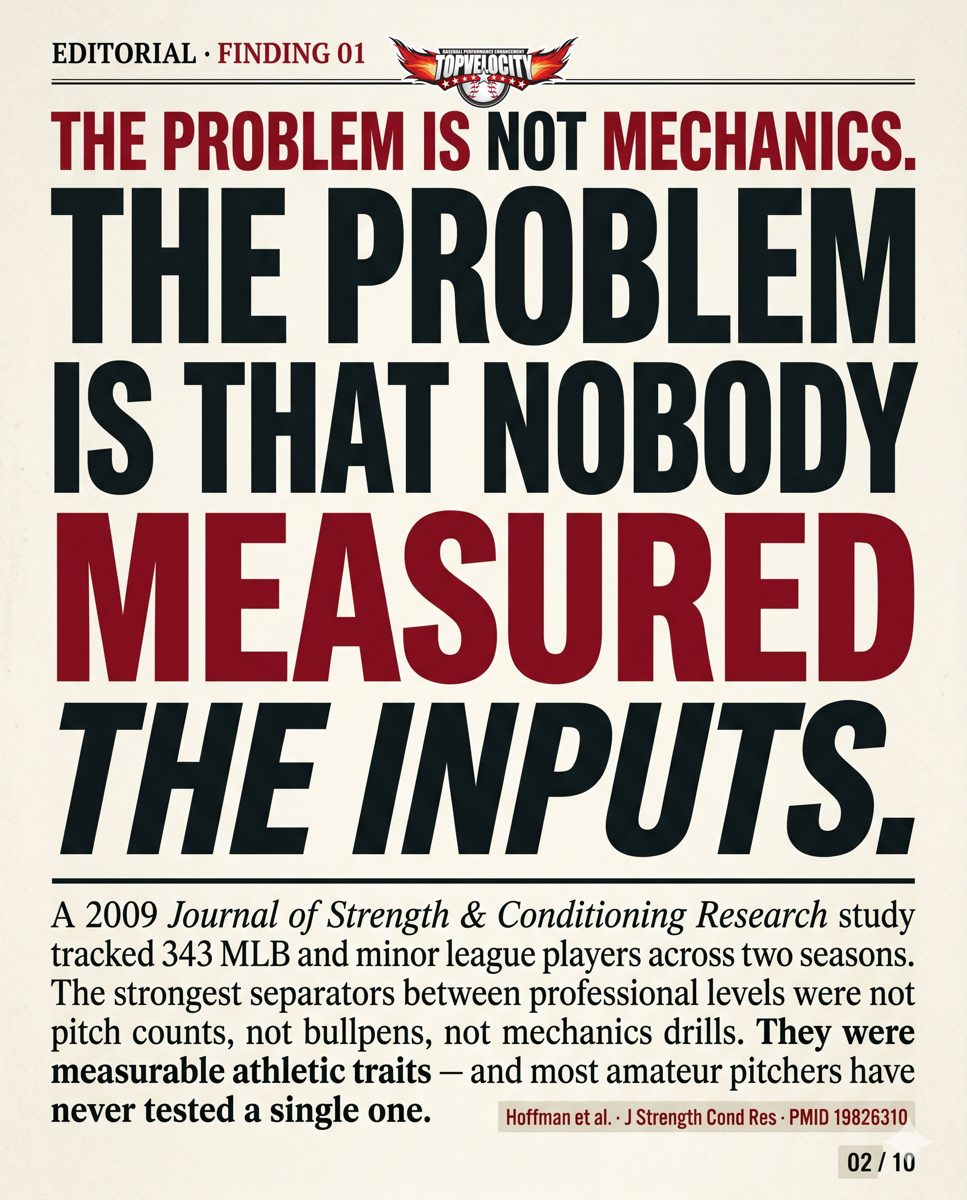
Follow the capital. Private equity poured over $2.5 billion into youth-sports facilities in 2024–2026, PE involvement is up about 31% over three years, and a single training academy recently sold for more than $1 billion (White & Case; Stout). The reason is structural: families spend an average of $1,016 a year per child on their primary sport — up 46% since 2019 (Aspen Institute), and that spend is recurring and recession-resistant. In fact, parents cut almost everything before they cut their kid’s development.
Here’s the strategic read on the PE wave: those firms are buying up independent operators precisely because they’re undervalued and unsystematized, then professionalizing them. Moreover, you can capture that same professionalization premium yourself — by licensing a system instead of selling your business to a roll-up.
Franchise or License: The Youth Sports Entry Decision
The franchise on-ramp into youth sports is expensive and restrictive. Additionally, youth-sports franchise fees run from about $15,000 to $42,500 for low-cost concepts, up to $1.4 million in total investment for facility-heavy ones — and all of them tax your gross revenue and put you under someone else’s brand (Franchise Business Review). In contrast, the license route gives you the system without the fee, the royalty, or the loss of identity.
Why Baseball Is the Sharpest Niche
Baseball combines high family spend, year-round development demand, and a measurable performance outcome — velocity — that parents will pay to improve. For example, travel-ball families already spend an average of $2,178 in team fees plus thousands more, and most of that development money is up for grabs in the off-season. Specifically, a baseball development business monetizes evaluations, memberships, programs, camps, and team partnerships — the full model we break down in the 8 revenue streams of a profitable performance center.
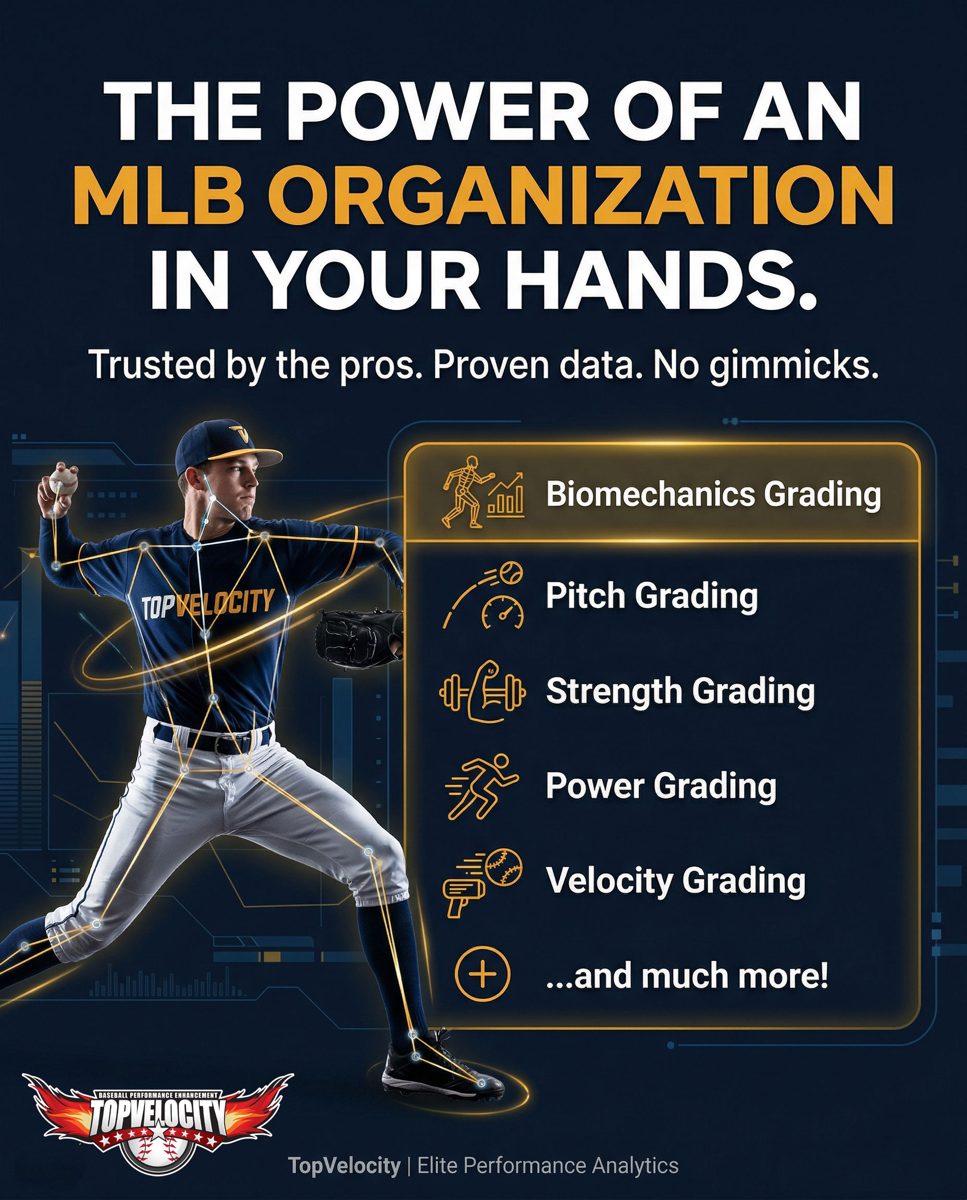
The TopVelocity Performance Center license is the turnkey way in: $1,250–$2,500/month, no franchise fee, no royalty, launched in about 30 days, under your own brand. You get AI evaluations with national percentiles, MechanicsDNA 3D analysis, ForceIQ, 15+ programs, coach certification, and marketing — the enterprise stack the big brands market, on a small operator’s budget, with a 4.4x–11.7x target ROI.
What About Risk?
Every business carries risk — but the franchise “safety” pitch is oversold. BLS data shows nearly half of all small businesses are gone by year five (LendingTree, citing BLS), and SBA franchise loans still default at a 9.9% average (Franchise Law Solutions). Furthermore, a month-to-month license lowers your risk in the ways that matter: low upfront cost, no long contract, a fast launch, and a proven system — without a six-figure bet or a 15-year royalty obligation.
Find Your Entry Point
Model the baseball opportunity for your market in the free Performance Center Revenue Calculator, then ask Coach Brent’s AI which entry path fits your budget and goals — it handles business and licensing questions directly and can set up a demo. To compare the two models head-to-head, read franchise vs. license: which is more profitable.
💬 Talk to Brent — Free, No Signup
Frequently Asked Questions
One that rides the booming ~$40 billion youth-sports market without locking you into a franchise’s fees and royalties. Baseball development is among the sharpest niches – high family spend, year-round demand, and a measurable outcome (velocity) parents pay to improve – and a licensed platform is the lowest-friction way in.
The market is excellent, but the franchise structure is costly: fees from $15,000 to $42,500+, total investment up to $1.4 million, plus royalties on gross for the life of the agreement, all under someone else’s brand. Licensing the same caliber of system avoids the fee and royalty while keeping your brand.
Families spend an average of $1,016 per child per year on their primary sport, up 46% since 2019, and the spend is recurring and recession-resistant. Private equity has poured over $2.5 billion into youth-sports facilities since 2024, signaling strong, durable demand.
An independent facility buildout runs about $75,000-$100,000, and the TopVelocity development platform licenses for $1,250-$2,500/month with no franchise fee or royalty. That delivers AI evaluations, MechanicsDNA, ForceIQ, 15+ programs, and certification under your own brand, launchable in about 30 days.
About the Author
Brent Pourciau, M.S., is the founder of TopVelocity. After tearing his rotator cuff at 18 and being told he would never pitch again, he rebuilt his delivery through peer-reviewed biomechanics research and returned to throw 94 mph in professional baseball. He holds a master’s degree in kinesiology with doctoral work in health sciences, and has trained 10,000+ athletes including 100+ MLB draft picks through the TopVelocity Player Portal and Performance Center licensing program.