

Franchise vs. license — which is actually more profitable? For most owners, a license is the more profitable model, for one structural reason: a franchise takes a percentage of your gross revenue for the life of the agreement, while a license does not. You get a proven system either way. The difference is who keeps the upside. Here’s the side-by-side math nobody selling franchises wants you to run.
Franchise vs License: What Is the Real Difference?
The legal line is clear. Under the FTC Franchise Rule, a relationship is a franchise when three things are present: you use their trademark, you pay them, and they exert significant control over how you operate. A license grants you permission to use intellectual property — a system, a methodology, technology — with far fewer operational controls and no royalty on your sales (SCORE, an SBA resource partner; NerdWallet).
Translated into plain business terms: a franchise rents you a business and supervises how you run it. A license sells you the engine and lets you drive. With a license you keep your own brand, your own decisions, and — critically — your own revenue.
The Royalty Math That Changes Everything
This is the number that decides the question. Franchise royalties average 6.7% of gross revenue, typically ranging 4–12%, and they’re charged on your gross — before a single expense, in good years and losing years alike, for the entire length of the agreement (Franzy; Jobber). Add the typical 2–4% advertising-fund fee on top.
Run it on a baseball facility doing $500,000 a year:
That’s roughly $33,000–$53,000 every year handed back for nothing incremental — $330,000 to over $1,000,000 across a 10–20 year franchise term. A license at a flat $1,250–$2,500/month costs $15,000–$30,000 a year, fixed, and never scales up as you grow. The bigger your facility gets, the more a royalty punishes success and the more a license rewards it.
But Doesn’t the Franchise Fee Buy You More?
It buys you a system and a brand — and you can get the system without surrendering the brand or the royalty. A franchise also front-loads a $20,000–$50,000 franchise fee (per the IFA and FTC), then often a renewal fee of 25–50% of that original fee every 10–20 years. A license has no franchise fee and no renewal tax.
And the “safety” argument cuts the other way. The widely repeated “90% of franchises succeed” claim is a myth with no credible study behind it (FranchiseStack); SBA franchise loans defaulted at an average of 9.9% (2010–2021), with some brands above 40% (Franchise Law Solutions). A franchise is not a guarantee — it’s a system plus a tax. A license is the system without the tax.
Which Model Wins in Baseball Specifically?
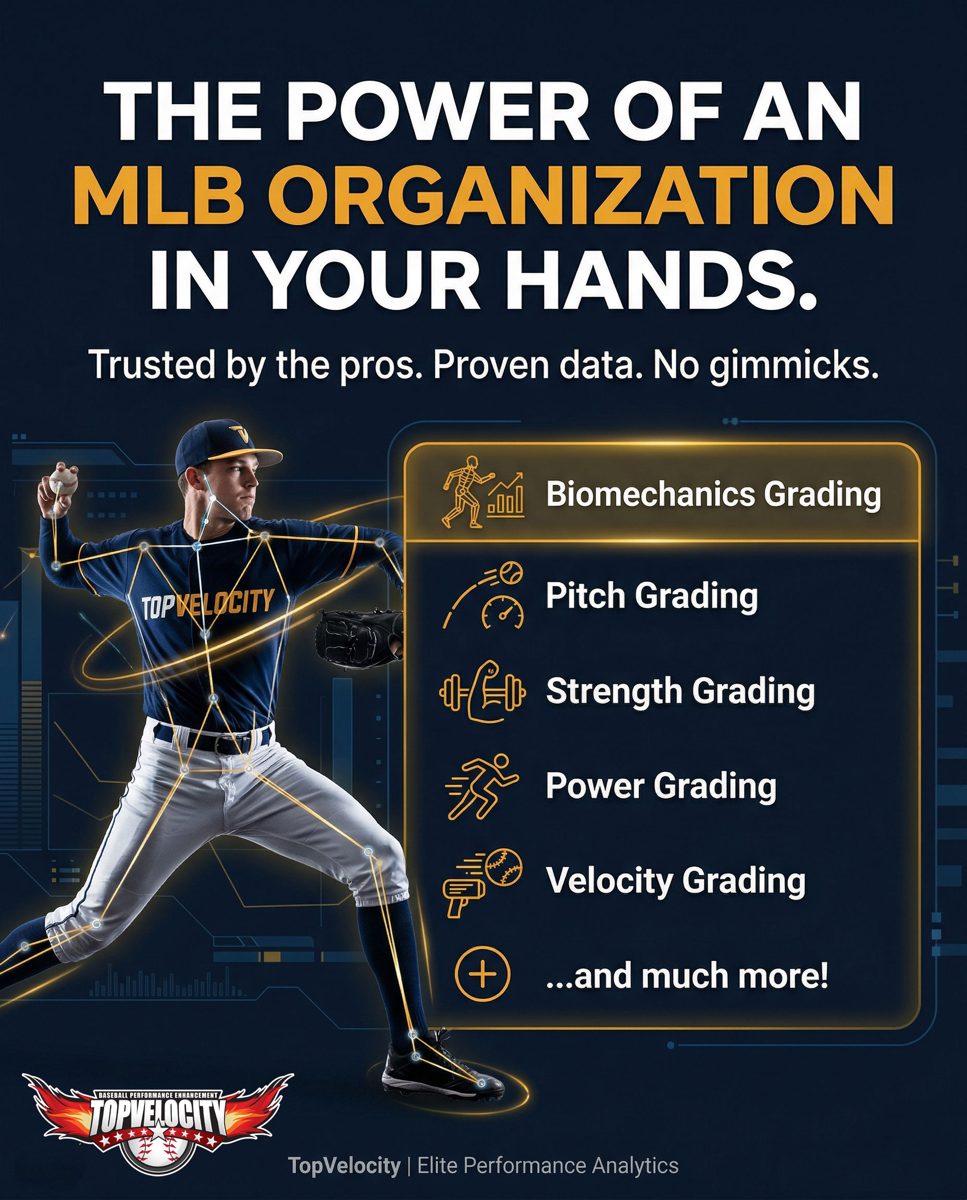
The license, decisively — because the youth-sports niche is booming and you want to keep the upside, not share it. Youth sports is a ~$40 billion U.S. market growing 8–10% a year, with over $2.5 billion of private-equity money flowing into facilities (White & Case; Empower). The TopVelocity Performance Center license gives you the enterprise tech stack — AI evaluations, MechanicsDNA 3D analysis, ForceIQ, 15+ programs, coach certification, and marketing — for $1,250–$2,500/month, month-to-month, under your own brand, with partners targeting a 4.4x–11.7x return.
Run Your Own Numbers
Don’t take the comparison on faith — model it. The free Performance Center Revenue Calculator shows your net profit after the license, which you can stack against what a 7% royalty would cost at your revenue. Then ask Coach Brent’s AI to walk you through the franchise-vs-license decision for your situation — it answers directly and connects you with the team. For the deeper cost breakdown, see how much a baseball training franchise actually costs.
💬 Talk to Brent — Free, No Signup
Frequently Asked Questions
Usually, yes. Both give you a proven system, but a franchise charges a royalty averaging 6.7% of your gross revenue for the life of the agreement, while a license charges a flat fee with no royalty. On a $500K business, that royalty is $330,000-$670,000 over a 10-20 year term that a license owner keeps.
Under the FTC Franchise Rule, a franchise involves a trademark, a required payment, and significant operational control by the franchisor. A license grants permission to use intellectual property with far fewer controls and no royalty on sales – you keep your own brand and run the business your way.
No. A license typically charges a flat or fixed fee for the right to use the system or IP, with no percentage taken from your revenue. A franchise charges ongoing royalties (averaging 6.7% of gross, up to 12%) plus an advertising-fund fee, both for the life of the agreement.
Less than marketed. The ‘90% of franchises succeed’ claim is a myth with no credible study behind it, and SBA franchise loans defaulted at a 9.9% average from 2010-2021, some brands above 40%. A franchise is a system plus a perpetual tax, not a guarantee of success.
About the Author
Brent Pourciau, M.S., is the founder of TopVelocity. After tearing his rotator cuff at 18 and being told he would never pitch again, he rebuilt his delivery through peer-reviewed biomechanics research and returned to throw 94 mph in professional baseball. He holds a master’s degree in kinesiology with doctoral work in health sciences, and has trained 10,000+ athletes including 100+ MLB draft picks through the TopVelocity Player Portal and Performance Center licensing program.