
Baseball training franchise costs vary by brand, location, facility size, and agreement. Separate the cash needed before opening from recurring facility expenses and provider fees. If you already operate a facility, compare the additional resources needed for a development program with what you already have. This guide explains the cost categories to compare; review current TopVelocity organization plan pricing for subscription details and terms.
How Much Does a Baseball Training Franchise Cost?
A useful comparison separates startup spending, operating expenses, and the fees attached to each business model. Obtain figures for the specific opportunity and location you are considering.
| Cost category | What to establish | Why it matters |
|---|---|---|
| Facility and equipment | Local space and equipment quotes | Depends on the site and resources you already own |
| Initial program fees | Fees in the written offer | Upfront fees vary by provider |
| Ongoing program fees | Subscription, royalty, and other charges | Include every applicable recurring fee |
| Operating expenses | Staffing, rent, utilities, insurance, marketing | A subscription is only one part of the budget |
| Renewal or exit terms | Terms in the agreement | Monthly billing alone does not establish cancellation rights |
Avoid treating an advertised starting price as the entire investment. Compare written offers against the same facility size, services, staffing needs, and operating period. TopVelocity’s current organization plans show the platform subscription price; facility and business operating expenses should be budgeted separately.

What Do the Royalties Actually Cost You?
If an offer includes a percentage-based royalty, calculate it using the revenue definition and rate in that agreement. Add any separate advertising, technology, or other recurring fees. Compare that total with the applicable subscription and operating costs of the alternative you are considering. Do not assume every franchise has the same fee structure.
Compare an Independent Facility With a Licensed Platform
An existing independent facility can compare adding a licensed development system with building its own training curriculum and software workflow. A new facility must also budget for premises, equipment, staffing, and working capital. Local quotes and your existing resources determine those costs; a platform subscription is not a complete facility startup budget.
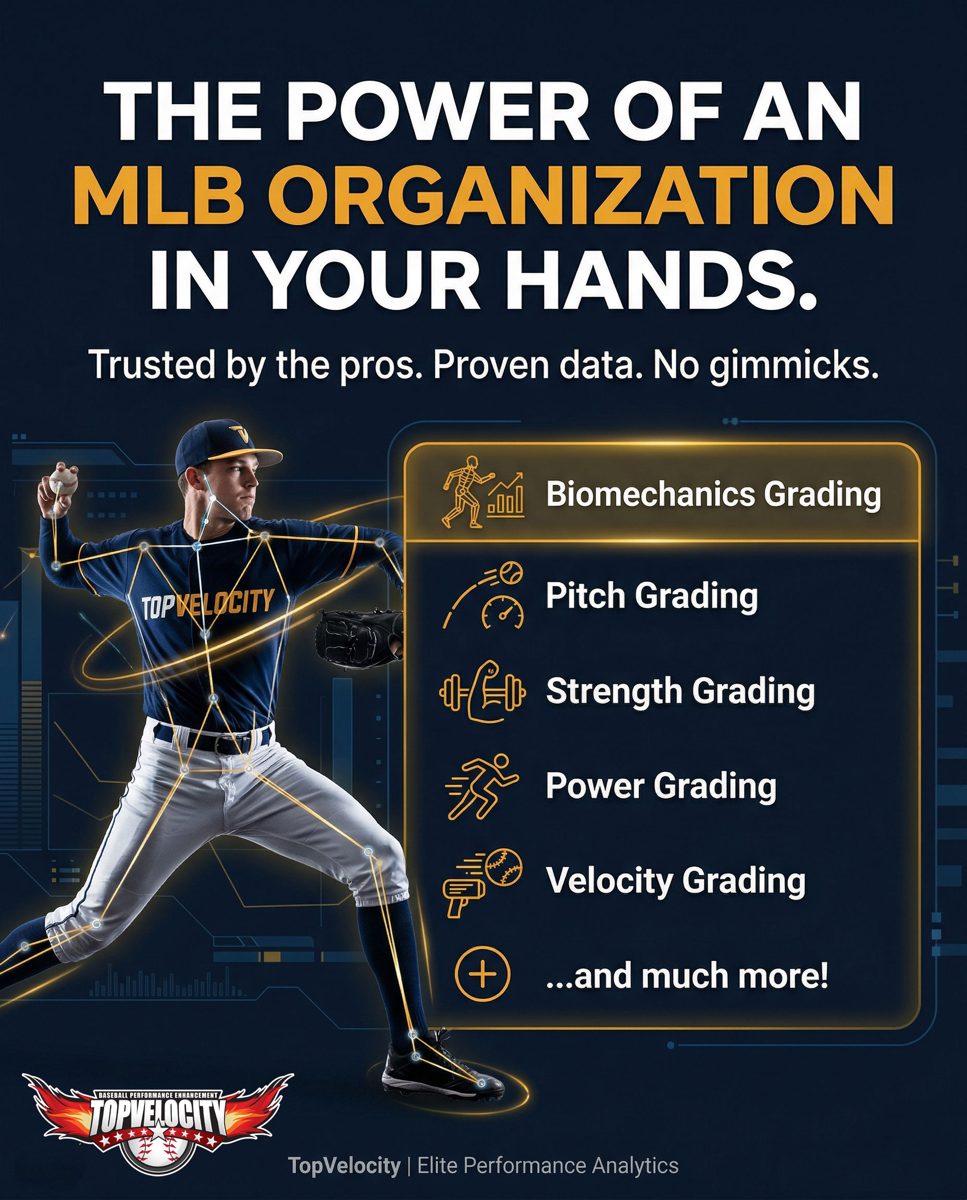
The TopVelocity Performance Center license is offered through three monthly plans: $1,250 for up to 30 roster spots, $1,500 for up to 50, and $2,500 for up to 100. Every plan includes AI evaluations, MechanicsDNA, PitchDNA, ForceIQ, 15+ training programs, the organization portal, staff certification, support, and marketing materials. Centers operate co-branded as “TopVelocity PC — Your Facility.” Platform access begins when payment clears; staff certification is scheduled with the team, and onboarding timelines vary. Review the current plans and terms before registering.
Separate Revenue Projections From Operating Costs
A facility’s profitability depends on enrollment, local pricing, attendance, staffing, occupancy costs, and retention. Memberships, evaluations, camps, and team programs can be modeled as separate revenue streams, but a license does not establish the number of customers you will acquire or the profit you will earn. Use your own assumptions and include all operating costs. Any examples should be treated as illustrations, not typical results or guarantees.
Build a Startup and Monthly Operating Budget
Use separate columns for a new facility and an add-on to an existing facility. Compare the same operating period, and mark missing quotes as unknown rather than zero.
- Record cash needed before launch. List deposits, any build-out or equipment purchases, initial provider charges and pre-opening staffing costs. Record when each payment is due, and keep refundable deposits separate from expenses.
- Record recurring commitments. List rent, utilities, insurance, staffing, software and program fees. For an existing facility, distinguish costs you already carry from additional costs created by the new program.
- Keep the cash reserve visible. Plan separately for the cash needed while enrollment develops or collections vary. Do not count the same operating expense twice when combining a startup funding plan with an expense forecast.
Check which resources you already own meet the program’s documented requirements. Compare written quotes and terms before treating one option as the lower-cost choice.
For franchise offers, the FTC’s consumer guide to buying a franchise explains the initial and ongoing costs disclosed in Franchise Disclosure Document Items 5–7. Use the specific brand’s current documents when collecting those figures.
Model Your Numbers
Use your local pricing, realistic enrollment, and complete operating expenses to compare options. If you use the Performance Center Revenue Calculator, treat its output as a planning illustration and check what costs it includes. Then compare current organization plans and pricing with your planned roster and operating budget. For more comparison questions, see franchise versus licensing.
Compare Organization Plans & Pricing
Frequently Asked Questions
Costs vary by brand, location, facility size, and agreement. Obtain a complete budget covering the facility, equipment, staffing, initial fees, ongoing charges, and working capital. Compare the same cost categories when evaluating an independent facility with a licensed development platform.
Compare complete budgets before deciding which option costs less. Include startup spending, recurring provider fees and facility operating expenses. If you already run a facility, assess the additional costs of an organization subscription alongside the resources you already have. TopVelocity’s current organization plan pricing covers the subscription, not the entire facility startup or operating budget.
Use the royalty rate and revenue definition in the specific agreement, and include any separate advertising or technology fees. There is no single rate that applies to every baseball training franchise.
Revenue and profit depend on enrollment, pricing, program mix, staffing, facility costs, and retention. Model your own scenarios using realistic local assumptions. TopVelocity’s illustrative revenue examples are not typical results or guarantees of earnings.
About the Author
Brent Pourciau, PhD, M.S., is the founder of TopVelocity. After tearing his rotator cuff at 18 and being told he would never pitch again, he rebuilt his delivery through peer-reviewed biomechanics research and returned to throw 94 mph in professional baseball. He holds a PhD in Health Sciences from Liberty University and a master’s degree in kinesiology, and has trained 10,000+ athletes including 100+ MLB draft picks through the TopVelocity Player Portal and Performance Center licensing program.