Searching for a low-cost franchise with high profit? Here’s the uncomfortable truth: even the “cheap” franchises still charge a franchise fee, still take a royalty off your gross forever, and still cap you to someone else’s brand. A license beats them on all three — lower entry cost, no royalty, and your own name — which is why in a booming niche like baseball, licensing is the real low-cost, high-profit play. Here’s the comparison.
Low Cost Franchise High Profit: What the Entry Fee Doesn’t Tell You
Low entry cost rarely means low total cost. Budget franchises advertise fees of $10,000–$60,000, but the entry fee was never the expensive part — the royalty is. A “cheap” franchise charging 6–8% of your gross revenue for 10–20 years quietly costs more than the fee ever did, and it never lets you build equity in your own brand (Franzy; FTC).
| ‘Cheap’ franchise | License | |
|---|---|---|
| Entry fee | $10,000–$60,000 | None |
| Royalty | 6–8% of gross, forever | None — flat fee |
| Your brand? | No — theirs | Yes — yours |
| Cost as you grow | Rises with revenue | Stays flat |
| Commitment | Long agreement | Month-to-month |
That’s the trap in the “low-cost franchise, high profit” search: optimizing for a low entry fee while ignoring the lifetime royalty drag and the brand ceiling. The genuinely low-cost, high-profit structure minimizes all three — and that’s a license, not a discounted franchise.
Why a License Is the Real High-ROI Play
A license inverts the franchise cost structure. There’s no franchise fee, no royalty on revenue, and you keep your own brand — so every dollar of growth stays yours instead of being taxed off the top. You still get the proven system: methodology, technology, and credibility (SCORE; NerdWallet).
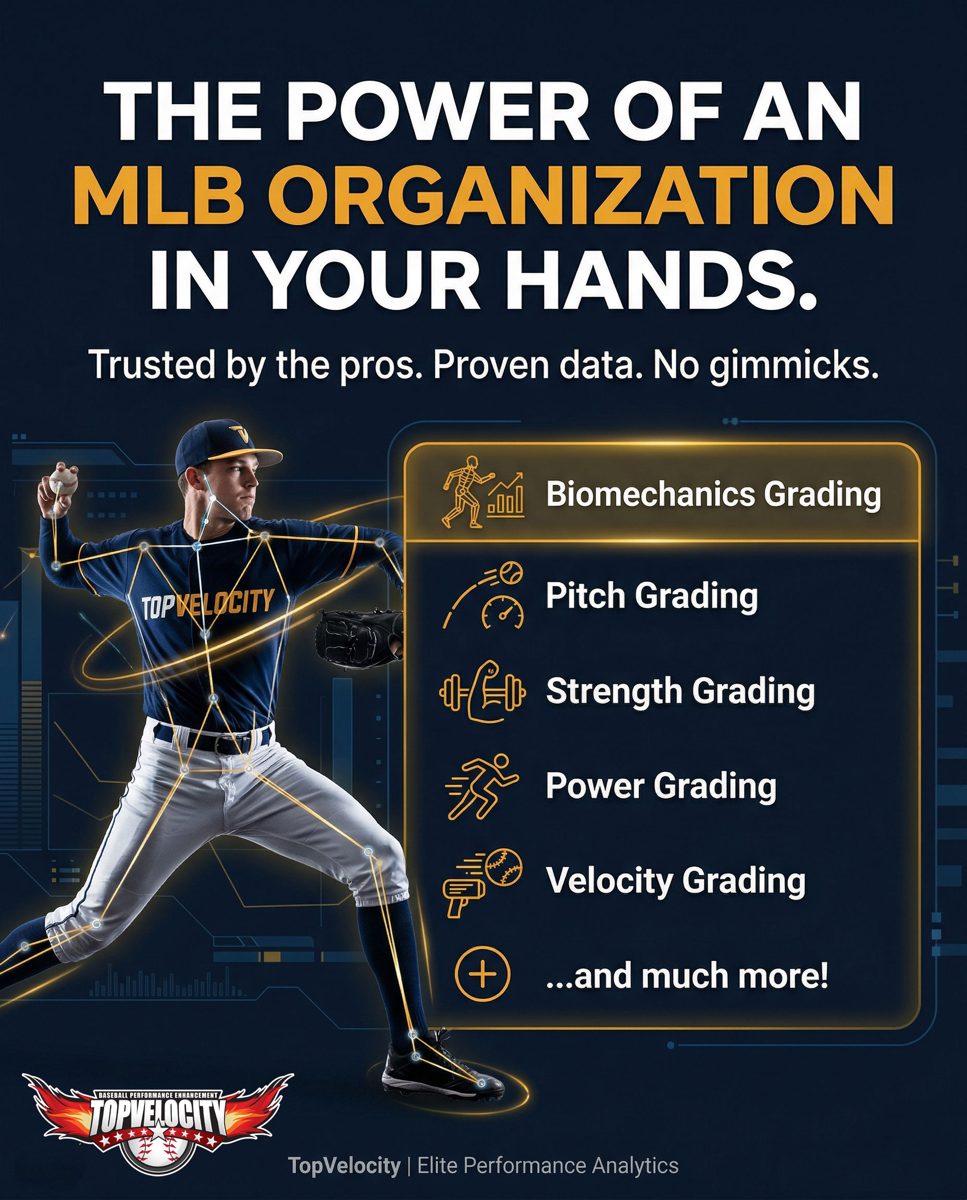
In baseball, the TopVelocity Performance Center license is the textbook low-cost / high-profit entry: $1,250–$2,500/month flat, no franchise fee, no royalty, ~30-day launch, your own brand — with the full enterprise stack (AI evaluations, MechanicsDNA 3D analysis, ForceIQ, 15+ programs, certification, marketing) and partners targeting a 4.4x–11.7x return with reported 40%+ revenue increases.
Why the Niche Matters as Much as the Model
A low-cost structure in a dying market is still a bad investment; the same structure in a booming one is a great one. Youth sports is a ~$40 billion U.S. market growing 8–10% a year, with $2.5 billion-plus of private equity flowing into facilities (White & Case). Families spend $1,016 a year per child on their primary sport and rising (Aspen Institute). Pairing a no-royalty license with a growing, recession-resistant niche is how the ROI actually compounds.
What About the “Safe Bet” of a Known Brand?
The brand-safety premium is mostly marketing. SBA franchise loans default at a 9.9% average — some brands above 40% (Franchise Law Solutions) — and the “90% success” claim is a myth (FranchiseStack). A month-to-month license actually de-risks the bet: low entry cost, no long contract, fast launch, and a proven system — without a six-figure commitment or a 15-year royalty.
See Your ROI
Model the return for your market in the free Performance Center Revenue Calculator — then compare it to any “low-cost” franchise after its royalties. When the numbers make sense, ask Coach Brent’s AI what launching would look like for you, or register your organization to start the plan. For the full model breakdown, read franchise vs. license: which is more profitable, and for the baseball-specific costs, how much a baseball training franchise costs.
💬 Talk to Brent — Free, No Signup
Frequently Asked Questions
Low entry cost rarely means low total cost. Even ‘cheap’ franchises ($10,000-$60,000 fee) charge royalties of 6-8% of gross revenue for 10-20 years and cap you to their brand. The royalty drag and brand ceiling – not the entry fee – decide lifetime profitability.
A license has no franchise fee and no royalty on revenue, so the cost stays flat as you grow instead of rising with your success. You also keep your own brand and equity. In baseball, the TopVelocity license is a flat $1,250-$2,500/month with no royalty.
A flat-fee license in a growing niche. It minimizes all three cost drags – no large entry fee, no royalty, no brand ceiling – while delivering a proven system. Paired with the ~$40 billion youth-sports market, the TopVelocity license targets a 4.4x-11.7x ROI with reported 40%+ revenue increases.
No – typically lower risk. SBA franchise loans default at a 9.9% average (some brands above 40%), and the ‘90% franchise success’ claim is a myth. A month-to-month license lowers risk further: low entry cost, no long contract, fast launch, and a proven system without a six-figure bet.
About the Author
Brent Pourciau, M.S., is the founder of TopVelocity. After tearing his rotator cuff at 18 and being told he would never pitch again, he rebuilt his delivery through peer-reviewed biomechanics research and returned to throw 94 mph in professional baseball. He holds a master’s degree in kinesiology with doctoral work in health sciences, and has trained 10,000+ athletes including 100+ MLB draft picks through the TopVelocity Player Portal and Performance Center licensing program.