
To retain players year-round at a baseball facility, give families visible, measurable development between seasons and a recurring membership built around it. Most facilities lose athletes in the off-season because nothing keeps them engaged once games stop. The fix is data: when a player can see his progress every month, leaving means quitting on results he can watch. Here’s the year-round retention playbook.
Why Do Baseball Facilities Lose Players?
Facilities lose players for one core reason: families can’t see development happening, so they shop around. The assumption that athletes leave over price or playing time is mostly wrong — they leave when the value becomes invisible, which happens fastest in the off-season when there are no games to justify the spend. A facility that only sells lessons gives a family no reason to stay between sessions; a facility that shows measured monthly progress gives them every reason. Retention is an information problem before it’s a loyalty problem.
Why Does Retention Matter More Than New Sign-Ups?
Because keeping a member is dramatically cheaper than replacing one. Acquiring a new customer costs roughly five times more than retaining an existing one, and a 5% increase in retention can raise profits 25–95% (Bain & Company / Harvard Business Review). For a baseball facility, that means the highest-ROI growth lever isn’t more marketing — it’s plugging the off-season leak. Every player who renews instead of churning is five times more profitable than the new sign-up you’d need to replace him.
How Do You Retain Players Year-Round?
Five mechanics turn a seasonal facility into a year-round one. Each attacks a specific cause of off-season churn:
The common thread is measurement plus momentum. An athlete with a current evaluation, a prescribed plan, and a visible trend line has a concrete reason to show up in January. An athlete with none of those is a flight risk the moment the season ends. Engagement frequency also compounds the effect — members who train twice a week are far less likely to cancel than those who drift in occasionally.
How Does Measurable Data Drive Retention?
Data converts an invisible service into a visible investment. When a parent can open an app and see their son’s velocity, mechanics grade, force output, and national percentile improving month over month, canceling means walking away from tracked progress — a much harder decision than skipping a few lessons. National-percentile benchmarking is especially powerful: it shows exactly where the athlete ranks against peers everywhere, turning your facility into the scorekeeper of his development. That role is the stickiest position a facility can hold.
What Tools Make Year-Round Retention Possible?
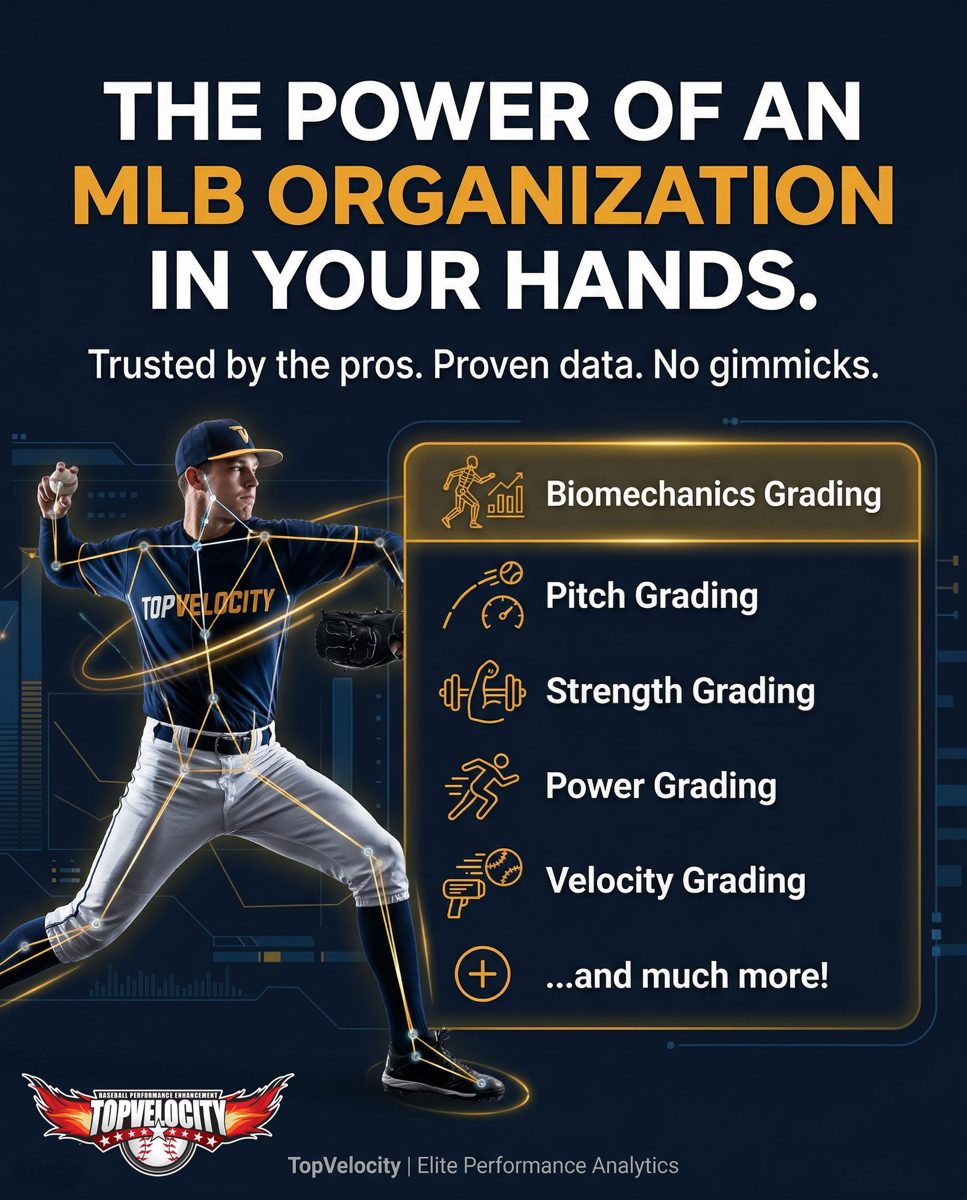
You need the infrastructure to evaluate, program, track, and communicate continuously — which is exactly what a player development platform provides. The TopVelocity Performance Center license delivers AI evaluations with national percentiles, MechanicsDNA 3D analysis, ForceIQ testing, 15+ year-round programs, and the org portal that manages memberships and communication — for $1,250–$2,500/month. Partner facilities report 40%+ revenue increases, much of it from the retention and off-season revenue the system unlocks. We map the full model in the 8 revenue streams of a profitable performance center.
Off-season churn isn’t inevitable — it’s a symptom of a facility that stops measuring when the games stop. Model the retention and year-round revenue impact for your location in the free Revenue Calculator, or ask Coach Brent’s AI how a year-round development system would run at your facility. Keep the players you already have, and the growth takes care of itself.
Frequently Asked Questions
Because families can’t see development happening once games stop, so the value becomes invisible and they shop around. Players rarely leave over price or playing time – they leave when there’s no measurable progress to justify the spend, which is exactly what happens in the off-season at a lesson-only facility.
Give families visible, measurable monthly progress and a recurring membership built around it: monthly evaluations, an app that tracks velocity and mechanics, off-season programming, and community accountability. When a player can watch his numbers improve, canceling means quitting on tracked results.
Because retaining a member costs about 5x less than acquiring a new one, and a 5% increase in retention can raise profits 25-95% (Bain & Company / Harvard Business Review). For a facility, plugging the off-season leak is a higher-ROI growth lever than more marketing.
A player development platform that evaluates, programs, tracks, and communicates continuously. The TopVelocity license provides AI evaluations, MechanicsDNA, ForceIQ, year-round programs, and the org portal for $1,250-$2,500/month, with partner facilities reporting 40%+ revenue increases largely from retention.
About the Author
Brent Pourciau, M.S., is the founder of TopVelocity. After tearing his rotator cuff at 18 and being told he would never pitch again, he rebuilt his delivery through peer-reviewed biomechanics research and returned to throw 94 mph in professional baseball. He holds a master’s degree in kinesiology with doctoral work in health sciences, and has trained 10,000+ athletes including 100+ MLB draft picks through the TopVelocity Player Portal and Performance Center licensing program.